

Eco-friendly clothing is winning the hearts of many people due to its sustainability and environmental friendliness. However, such clothes require special care. If you want your sustainable clothing to last a long time and maintain its quality, follow our recommendations. And by the way, learn more about eco-friendly clothing care products in this store.
🍃 Basic principles of care 🍃
- Gentle Wash: Avoid harsh detergents and high temperatures. This will help maintain the color and shape of your clothes.
- Air drying: Electric dryers can damage delicate fabrics.
- Use eco-friendly detergents: Not only are they safe for your clothes, but also for the environment.
🌿 Storing environmentally friendly clothes 🌿
Proper storage is the key to long service life of your clothes. Follow these simple rules:
- Ventilation: Store clothing in a cool, dry place with good ventilation.
- Avoid direct sunlight: This may fade the fabric.
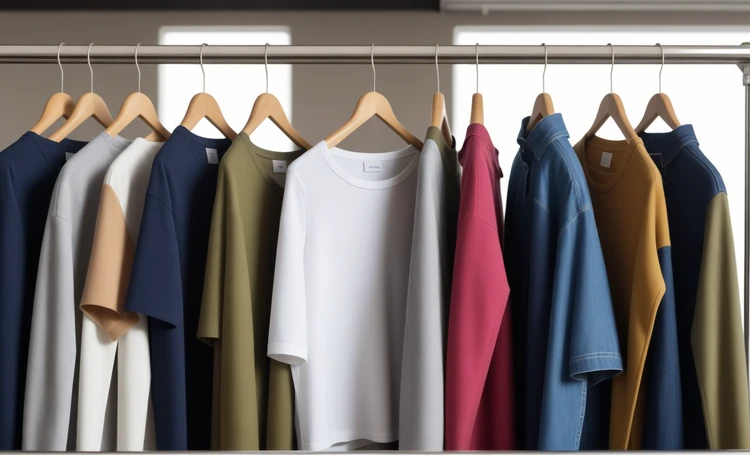
- Use soft hangers: These will prevent clothes from becoming deformed.
🌼 Tips for caring for different types of fabrics 🌼
🍂 Cotton 🍂
Cotton is one of the most popular environmentally friendly fabrics. It is breathable, soft and comfortable. However, cotton can shrink when washed.
- Wash in cold water: This will help prevent shrinkage.
- Use mild detergents: Chemicals can damage fabrics.
- Air dry: This will maintain the shape and color of your clothes.
🍂 Linen 🍂
Linen is a strong and durable fabric that only becomes softer over time.
- Avoid spinning: This may distort the fabric.
- Iron when damp: This will help prevent wrinkles.
- Store in a cool place: Flax loves fresh air.
🌼 The best care products 🌼
Choosing the right care products for your eco-friendly clothing is key to ensuring they last for a long time. Here are a few time-tested remedies:
- Eco-friendly laundry detergents: They do not contain chemicals that can harm fabrics or the environment.
- Soft rinses: They make the fabric softer and give it a pleasant aroma.
- Stain removers: Choose ones that don't contain harsh chemicals.
🌼 Storage in different seasons 🌼
🍂 Winter period 🍂
In winter, environmentally friendly clothing, especially those made from natural materials, requires special attention:
- Dry and cool place: This will prevent mold and moths.
- Use lavender bags: They repel insects and add a pleasant scent to clothes.
🍂 Summer period 🍂
In summer you should pay attention to:
- Dark place: Direct sunlight may fade the fabric.
- Regular ventilation: This will prevent unpleasant odors and keep clothes fresh.
🌼 Eco-friendly clothing care chart 🌼
| Fabric type | Wash | Drying | Ironing |
|---|---|---|---|
| Cotton | 30°C | On air | average temperature |
| Linen | 40°C | On air | Heat |
| Wool | Handwash | Horizontal | Do not iron |
“Caring for environmentally friendly clothing is not only about caring for your wardrobe, but also for nature. By choosing natural materials and the right care products, you contribute to preserving the environment.” – Ecological stylist.
🌼 Tips for choosing eco-friendly clothes 🌼
🍂 Check the label 🍂
Before purchasing clothing, always check the ingredients on the label:
- 100% natural materials: Cotton, linen, wool are the best choice for environmentally friendly clothing.
- No synthetics: Polyester, nylon and other synthetic materials are less environmentally friendly.
🍂 Certification 🍂
Many environmentally friendly products have special marks and certificates confirming their quality and safety for the environment.
🌼 Conclusion 🌼
Caring for and storing environmentally friendly clothing is easy if you follow simple rules. By choosing natural materials and the right care products, you not only extend the life of your wardrobe, but also contribute to the conservation of nature. Remember that each of us can contribute to creating a greener and more sustainable world.