
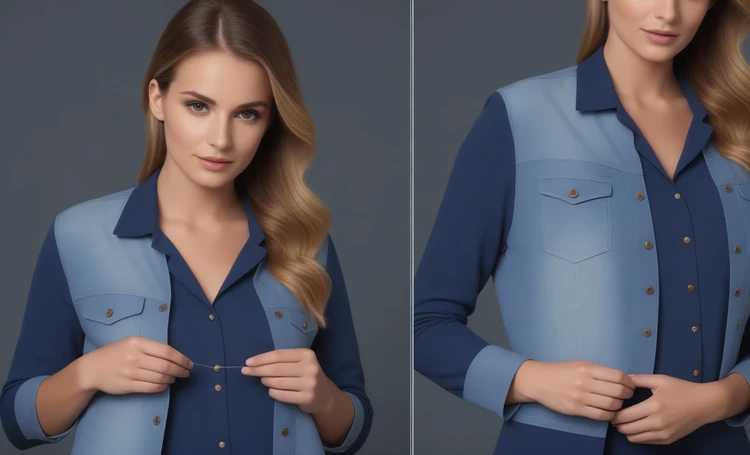
🧵 Clothes repair: how to give a second life to your things 🧵
Each of us has encountered a situation where a favorite item is torn or has lost its original appearance. But don’t rush to throw it away! With the right tools and skills found in this store, you can restore your clothes to their original condition and extend their life.
🧷 Why is it worth repairing clothes? 🧷
Repairing clothes not only saves you money, but also promotes sustainable consumption. Instead of buying a new item, you can simply repair your old one and extend its life.
- Saving money: Repairing it usually costs less than buying a new item.
- Sustainability: Less waste and less resource consumption to produce new clothes.
- Individuality: A refurbished item can become unique and expressive.
🪡 Basic repair methods 🪡
One of the most common problems is lost buttons. But it's easy to fix! You will need:
- New button (similar to the old one or a new design to update the look).
- Needle and thread.
Stitching up holes
Holes may appear due to wear and tear or accidental damage. The process of their repair:
- Determine the size and shape of the hole.
- Select the appropriate patch material.
- Use a needle and thread to stitch neatly.
Color restoration
Over time, the fabric may fade in the sun or lose color after washing. In this case, you can use special fabric dyes.
🧶 Tools for repairing clothes 🧶
To successfully repair clothing, it is important to have the right tools on hand. Here are some of them:
- Needles of different sizes: from fine for thin fabrics to large for jeans and other dense materials.
- Set of threads: various colors and thicknesses.
- Buttons and fasteners: It's best to have a selection of different sizes and styles.
- Scissors: for cutting fabric and threads.
- Ruler and chalk: for marking fabric before repairs.
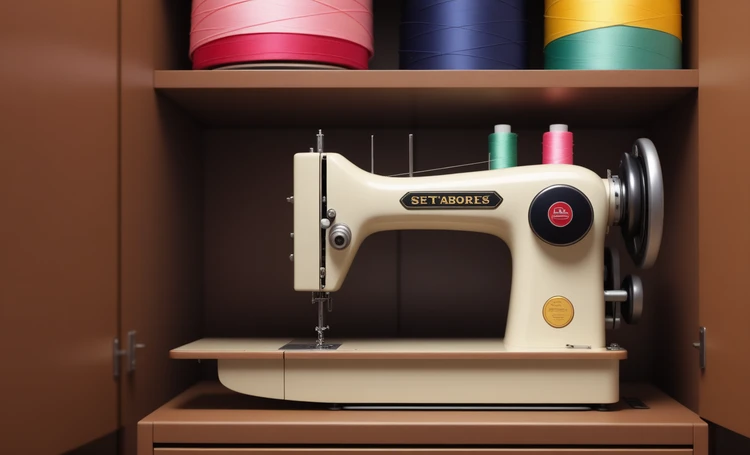
📌 Tips for repairing clothes 📌
- Estimate the cost of repairs: Sometimes repairs can cost more than buying a new item. However, if it is a favorite item of yours or has special value, repairs may be worth it.
- Take your time: It is better to spend a little more time and do everything carefully than to rush and make poor quality repairs.
- Practice makes master: If you are new to clothing repair, start with simple tasks and gradually move on to more complex ones.
“Repairing clothes is not only a way to save money, but also an opportunity to show your creativity and make your clothes unique.” – Anonymous
📏 Repair cost table 📏
| Type of repair | Average cost ($) |
|---|---|
| Replacing a button | 2-5 |
| Stitching up a small hole | 5-10 |
| Replacing a zipper | 10-20 |
| Sizing | 15-30 |
🧵 How to choose material for repair 🧵
Choosing the right material for clothing repair is key. The wrong material can make the repair noticeable or even worsen the condition of the item.
- Fabric Matching: When selecting fabric for a patch, make sure it matches the original fabric in texture and weight.
- Color Match: Even a slight difference in shade can make a repair noticeable. It is better to choose a material that matches perfectly in color or is slightly darker.
- Consider wear and tear: If the clothing is worn out, the new material may look too bright or new compared to the old fabric. In this case, consider using material from a less visible area of the garment.
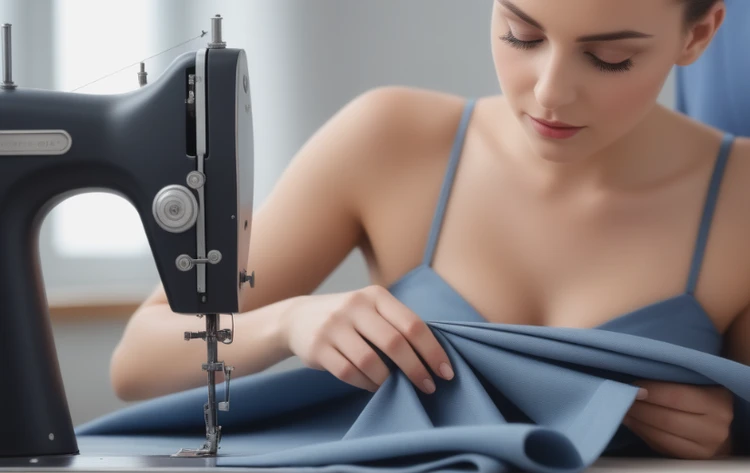
🪡 Professional repair vs DIY 🪡
Many people prefer to repair clothes themselves, while others turn to professionals. Here are a few aspects to consider:
- Difficulty of Repair: Some repairs, such as replacing a zipper or adjusting a size, may require specific skills and tools.
- Time: If you are short on time or patience, it may be best to call a professional.
- Cost: Although DIY repairs may be cheaper, professional repairs usually guarantee quality.
“Every thing deserves a second chance. Clothes repair is an eco-friendly and cost-effective way to extend the life of your favorite items.” – Anonymous
🧷 Final recommendations 🧷
- Check your clothes regularly for minor defects so that they can be repaired on time.
- Invest in quality clothing repair tools. This will simplify the process and help you achieve better results.
- Don't be afraid to experiment. Use different techniques and materials to make your clothes unique.
🎨 Creative approach to renovation 🎨
Repairing clothes doesn't have to be discreet. Sometimes visible seams, colorful patches or decorative elements can add interest to your outfit and make it truly unique.
- Patterned Patches: Use bright fabrics with interesting patterns to create patches. This can be a stylish accent to jeans or a jacket.
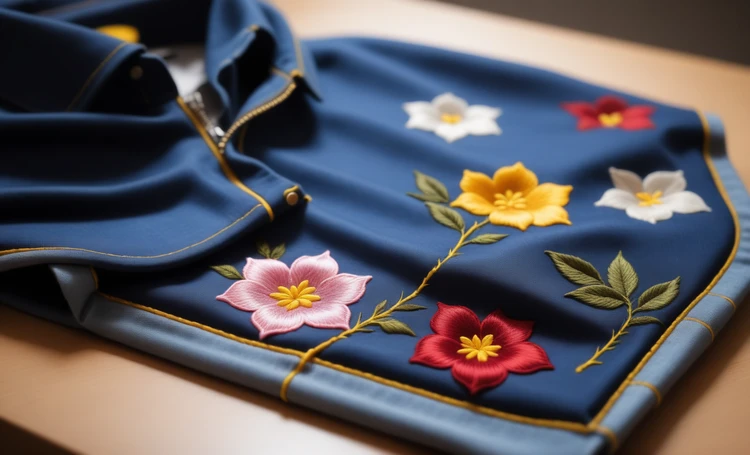
- Embroidery: If your clothing has a hole or fray, try covering it with beautiful embroidery.
- Decorative elements: Buttons, beads, sequins – all this can be used to disguise minor defects or add personality.
🛍️ Where to buy tools and materials 🛍️
To successfully repair clothing, it is important to have the right tools and materials on hand. In this store you will find everything you need to repair clothes.
- Repair kits: Includes needles of different sizes, threads, buttons and other basic supplies.
- Machinery and Equipment: If you plan to do regular repairs, you may want to consider purchasing a sewing machine or overlocker.
- Specialized tools: Fabric scissors, marking pens, rulers and much more will help make the repair process more accurate and convenient.
🌍 Environmental aspect of renovation 🌍
Repairing clothes is not only a way to save money, but also contributes to preserving the environment. Clothes are resource-intensive to produce, so extending the life of your items helps reduce your environmental footprint.
- Reduce Waste: Fewer discarded clothes means less waste in landfills.
- Saving resources: Producing new clothes requires water, energy and other resources.
- Reduced pollution: Less production means less air emissions and water pollution.