🌿 Eco-friendly fabrics: what you should know before buying
When it comes to fashion, more and more people are thinking about the environmental impact of their wardrobe. Eco-friendly fabrics are becoming a popular choice among informed consumers. But what makes a fabric “eco-friendly”? And how to choose the best option? Explore eco-friendly fabrics at this store and learn more.
🌱 What are environmentally friendly fabrics?
Eco-friendly fabrics are materials whose production minimizes harm to the environment. This may include using sustainable resources, avoiding toxic chemicals, and using less water during the production process.
- Organic cotton: Produced without the use of pesticides or chemical fertilizers. This helps keep the soil healthy and prevents water pollution.
- Linen: This ancient material requires less water and pesticides to produce compared to cotton.
- Bamboo: A fast growing plant that can be made into a soft and breathable fabric.
🌍 Why is it worth choosing environmentally friendly fabrics?
Choosing eco-friendly fabrics not only helps protect the planet, but can also provide a number of benefits for your health and comfort.
- Skin-friendly: Many eco-friendly fabrics, such as organic cotton, are hypoallergenic and soft to the touch.
- Durability: Sustainable materials are often stronger and more durable, meaning your clothes will last longer.
- Ethical Choice: By supporting eco-friendly textile manufacturers, you are investing in more sustainable and responsible production.
“By choosing sustainable fabrics, you are making a choice for the health of the planet and your well-being.”
🛍️ How to choose and where to buy?
When choosing eco-friendly fabrics, it is important to look for certifications and labels that confirm their sustainability. Some of the popular certifications include GOTS (Global Organic Textile Standard) and OEKO-TEX.
🎨 Varieties of environmentally friendly fabrics
🌿Organic cotton
Organic cotton is grown without the use of chemical fertilizers or pesticides. This makes it safer for the environment and for those who wear clothes made from this material.
🎋 Bamboo
Bamboo is one of the fastest growing plants on the planet, making it an excellent source of sustainable material. Bamboo fabric is soft, breathable and has antibacterial properties.
🌾 Len
Linen is another eco-friendly fabric that requires less water to produce compared to cotton. It is also biodegradable and has a natural appearance.
🌟 Benefits of using environmentally friendly fabrics
- Caring for the planet: Using eco-friendly fabrics helps reduce your environmental impact as they require fewer resources to produce.
- Saves money: Although the initial cost may be higher, sustainable fabrics are often more durable, meaning less cost to replace worn-out clothing.
- Comfort and Health: Many eco-friendly fabrics breathe better and are softer to the touch, making them an ideal choice for sensitive skin.
📝 Tips for caring for eco-friendly fabrics
To maximize the life of your eco-friendly clothing, follow these tips:
- Gentle Wash: Use gentle wash cycles and natural detergents.
- Air Dry: Instead of using a dryer, let your clothes air dry.
- Avoid Chlorine: Chlorine can damage natural fibers, so avoid using it in your laundry.
“Eco-friendly fabrics are not only a fashion trend, but also a way to take care of our planet and your health.”
🛍️ How to choose high-quality environmentally friendly fabric when purchasing?
🧵 Check the label
Always check the label before purchasing a product. It should indicate what material the product is made of. Look for labels such as “organic cotton” or “100% bamboo.”
🌱 Explore the brand
Some brands specialize in producing eco-friendly clothing. Do some research to find out which brands truly care about the planet.
📜 Certification
Many eco-friendly products have certification marks that confirm their sustainability. For example, GOTS (Global Organic Textile Standard) is one of the most respected standards in the industry.
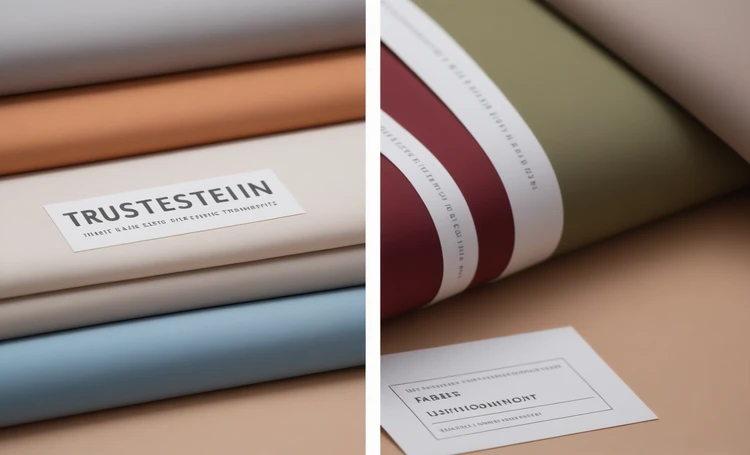
🌍 Contribution to a sustainable future
Choosing eco-friendly fabrics is not only an investment in your comfort and health, but also a contribution to the sustainable future of our planet. Every time you choose sustainable materials, you help reduce water consumption, reduce pollution and maintain healthy soil.
📊 Table of popular eco-friendly fabrics
| Textile | Advantages | Flaws |
|---|---|---|
| Organic cotton | Safe for the environment, soft to the touch | May be more expensive |
| Bamboo | Fast growing, antibacterial | Requires specific care |
| Linen | Long lasting, consumes less water | May wrinkle |
Choosing eco-friendly fabrics is a step towards more sustainable and responsible consumption. Make a conscious choice in favor of the planet and your comfort.