🍼 How to choose clothes for a newborn 🍼
The first days of a baby's life are especially important, and every parent wants their baby to feel comfortable and cozy. One of the key points is the choice of clothes for a newborn. If you want to learn more about comfortable and high-quality clothing for babies, this store offers hats for every taste.
🌸 Main selection criteria 🌸
Choosing clothes for a newborn requires special attention to detail:
- Material: Preference should be given to natural fabrics such as cotton. They allow the skin to “breathe” and prevent irritation.
- Safety: Avoid clothing with small parts that could come off.
- Comfort: Clothing should not restrict the baby’s movements and should be easy to put on.
🧺 Seasonal recommendations 🧺
🌞 Summer 🌞
- Lightweight cotton bodysuit.
- Panama hats for sun protection.
- Thin diapers for outdoor walks.
❄️ Winter ❄️
- Warm overalls with soft lining.
- Hats with ears for protection from the cold.
- Warm booties for feet.
🎨 How to choose color and pattern? 🎨
When choosing the color and pattern of clothes for a newborn, be guided by your taste and preferences. However, there are some general recommendations:
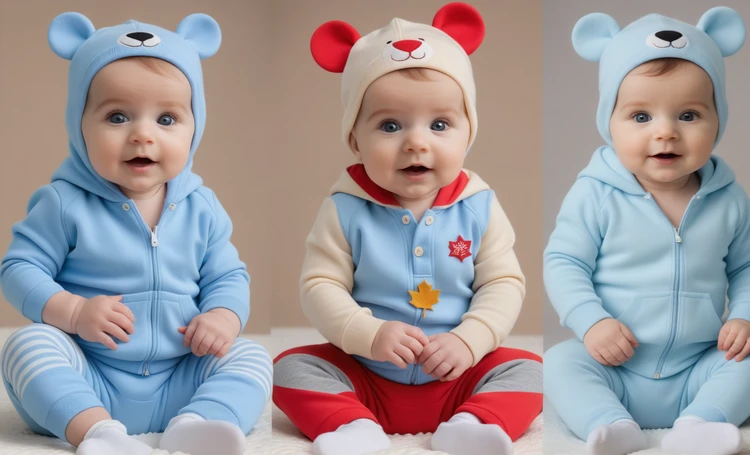
- Pastel colors are ideal for babies, they do not irritate the eyes and create a feeling of coziness.
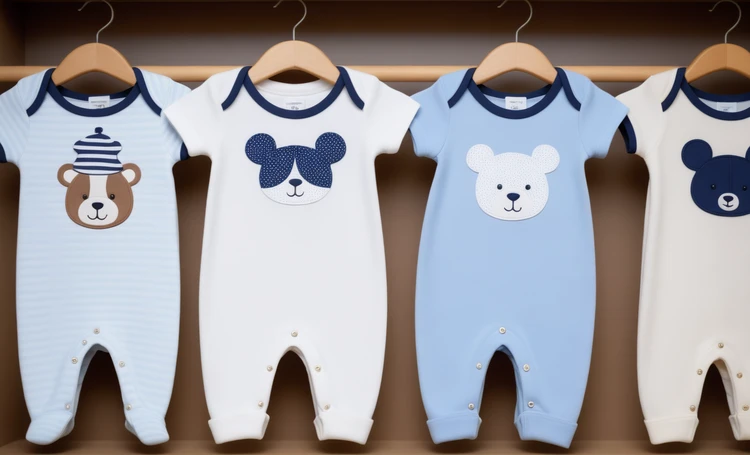
- Drawings with animals or natural motifs are always in fashion and make you smile.
📏 Clothing size: what should you consider? 📏
When choosing a clothing size for a newborn, it is important to consider several points:
- Baby's height and weight: Many manufacturers list recommended height and weight on the label.
- Growth margin: It is better to choose clothes with a small margin, as babies grow quickly.
- Comfort: Clothes should not be too tight or too big.
Tip: When shopping for newborn clothes for the first time, it is best to purchase several different sizes to determine which fits best.
🌿 Materials and care 🌿
The choice of clothing material for a newborn is not only a matter of comfort, but also the health of the baby.
- Cotton: This natural material is ideal for children's clothing. It is soft, breathable and hypoallergenic.
- Bamboo: Another eco-friendly fabric that is becoming increasingly popular due to its antibacterial properties.
When washing children's clothing, it is recommended to use hypoallergenic detergents and avoid mild softeners.
💡 Useful tips 💡
- When buying clothes for a newborn, preference should be given to models with buttons or zippers to make the changing process easier.
- Avoid clothing with tight seams or tags, which can irritate your baby's skin.
- Always check clothing for defects or small parts that could come off.
🌦 Clothes for different weather conditions 🌦
The selection of clothes for a newborn depends not only on its size and material, but also on the time of year:
🌞 Summer 🌞
- Lightweight bodysuits made from natural materials that allow the skin to breathe.
- Panama hats or hats for protection from the sun's rays.
- Thin blankets to provide shade or protection from cool breezes.
🍂 Autumn 🍂
- Warm overalls or dresses with long sleeves.
- Lightweight hats to protect your ears from the wind.
- Warm socks and mittens.
❄ Winter ❄
- Warm overalls with a soft inner layer.
- Ushanka or warm hats.
- Mittens and warm boots.
🌱 Spring 🌱
- Light jackets or windbreakers.
- Jumpers or sweaters of medium thickness.
- Warm hats for cool days.
Note: Always have extra clothing in case of sudden weather changes. Babies lose heat quickly, so it's better to be on the safe side.
🎨Choice of color and pattern 🎨
When choosing a color and pattern on clothes for a newborn, you should be guided not only by fashion trends, but also by practicality:
- Light shades are easier to combine with other things.
- Dark colors are less easily soiled and easy to care for.
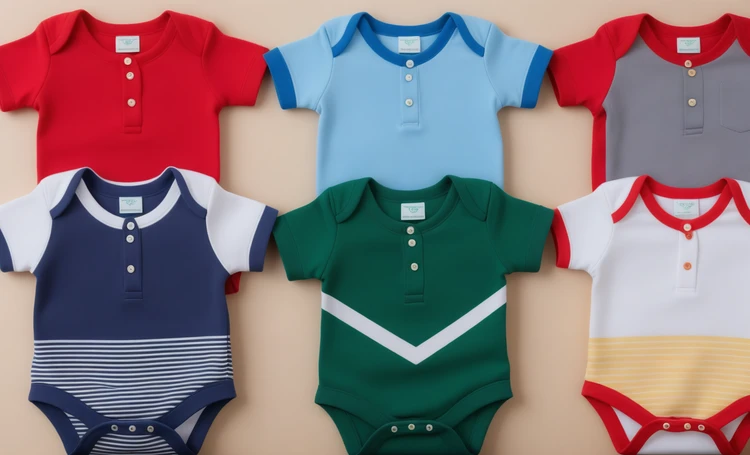
- Drawings and prints make clothes bright and interesting, but you should avoid too small details that can distract the baby's attention.
🌿 Materials: what to choose? 🌿
The choice of material for children's clothing is not only a matter of comfort, but also safety:
🍃 Natural materials 🍃
- Cotton: hypoallergenic, soft and breathable. Ideal for everyday wear.
- Wool: Great for keeping warm, but may cause irritation for some children. It is better to choose soft types of wool.
- Silk: soft and gentle on the skin, but requires special care.
🌬 Synthetic materials 🌬
- Polyester: durable and easy to wash, but may be less breathable.
- Nylon: water-repellent and quick-drying, suitable for outerwear.
- Spandex: added for bounce and elasticity.
Tip: Always check the ingredients label and try to choose clothes with the highest content of natural materials.
📏 Size: how not to make a mistake? 📏
When choosing a clothing size for a newborn, you should consider:
- Child's height and weight.
- Season: It’s worth taking extra clothes for the winter.
- Dress form: some models may be looser or tighter.
📋 Newborn Size Chart:
| Age | Height, cm | Weight, kg |
|---|---|---|
| 0-1 month | 50-56 | 2.5-4.5 |
| 1-3 months | 56-62 | 4.5-6.5 |
| 3-6 months | 62-68 | 6.5-8 |
| 6-9 months | 68-74 | 8-9.5 |
🎨 Colors and designs: what's in fashion? 🎨
When choosing colors and patterns for children's clothing, it is worth considering not only fashion trends, but also the psychological impact of color:
🌸 Pastel colors 🌸
- Pink: Traditionally associated with girls, but also suitable for boys. Promotes calm.
- Blue: A versatile color that gives a feeling of freshness and coolness.
- Beige and cream: neutral shades that pair perfectly with other colors.
🍀 Bright and rich colors 🍀
- Green: symbolizes nature and freshness.
- Red: stimulating and activating color.
- Yellow: a joyful and sunny shade that lifts your spirits.
🎨 Drawings and prints 🎨
- Animals: always relevant for children's clothing.
- Geometric patterns: stripes, circles, squares.
- Flowers and plants: especially popular in spring and summer.
🌟 Additional tips when choosing 🌟
- Safety Fasteners: Avoid small parts that could come off.
- Easy to put on: choose models with wide necks and comfortable fasteners.
- Clothes care: preference should be given to things that are easy to wash and do not lose their shape.
Quote: “The choice of clothes for a newborn is not only a matter of fashion, but also of comfort, safety and care for the baby.”
🌿 Natural materials: the key to comfort 🌿
One of the main criteria when choosing clothes for newborns is the material. Children's skin is extremely sensitive, so it is important that the fabrics are natural and breathable.
🍃 Cotton 🍃
- Advantages: hypoallergenic, soft, absorbs moisture.
- Tip: Choose clothes made from 100% cotton, especially for newborns.
🐑 Wool 🐑
- Advantages: retains heat, ideal for the cold season.
- Tip: Make sure the coat is soft and non-irritating.
🌱 Bamboo 🌱
- Advantages: antibacterial properties, odor resistance, environmental friendliness.
- Tip: Bamboo clothing is ideal for summer as it is well ventilated.
📏 Correct size: how not to make a mistake? 📏
Choosing clothing sizes for a newborn can be a real challenge, especially for new parents. Here are some tips to help you make the right choice:
- Focus on height, not age: clothing sizes are often indicated by age, but it is better to focus on the baby's height.
- Go up a size: Children grow very quickly, so buying clothes a size up will allow you to wear them longer.
- Check sizing charts: Different brands may have different sizing charts, so always check before purchasing.
🎨 Shades and designs: making a choice 🎨
Color and design of clothing also play an important role. While some parents prefer classic pastel colors, others are looking for bright and creative solutions.
🌸 Pastel colors 🌸
- Advantages: versatility, calm shades, suitable for any gender of the child.
- Tip: pastel colors combine perfectly with other colors to create a harmonious look.
🌈 Bright colors 🌈
- Benefits: stand out, add brightness, lift your mood.
- Tip: Combine bright colors with neutrals for balance.
🎨 Drawings and prints 🎨
- Advantages: make clothes unique, add personality.
- Tip: Choose simple and cute designs that won't be too bright or annoying.
🛍️ Clothes care: maintaining quality 🛍️
After purchasing, it is important to properly care for children's clothing so that it lasts a long time and maintains its quality characteristics.
- Follow label instructions: Always check care instructions before washing.
- Use gentle detergents: they are less aggressive for delicate fabrics and sensitive baby skin.
- Dry in the shade: direct sunlight may fade the fabric.
Proper care of children's clothing not only extends its service life, but also ensures comfort and safety for your baby.
🌿 Materials: natural versus synthetic 🌿
The choice of material for children's clothing is one of the key points. Newborn skin is extremely sensitive, so it is important to pay attention to the composition of the fabric.
🍃 Natural materials 🍃
- Cotton: hypoallergenic, soft and breathable. Ideal for everyday wear.
- Wool: Great for keeping you warm, but can cause irritation on sensitive skin.
- Silk: A soft and smooth material, but requires special care.
🌪️ Synthetic materials 🌪️
- Polyester: durable and quick-drying, but may cause allergies.
- Nylon: Lightweight and durable, but less breathable than natural fabrics.
Tip: For newborns, it is best to choose clothes made from natural materials, as they are less likely to cause irritation or allergies.
📏 Size: perfect fit 📏
Choosing the right clothing size for a newborn is not an easy task. It is important that clothing is not too big or small and also allows freedom of movement.
- Check sizing charts: Many manufacturers provide sizing charts indicating the child's age, height, and weight.
- Consider the supply: children grow quickly, so sometimes it makes sense to take clothes a size larger.
- Trying on: If possible, try the clothes on your child before purchasing.
🎁 Final recommendations 🎁
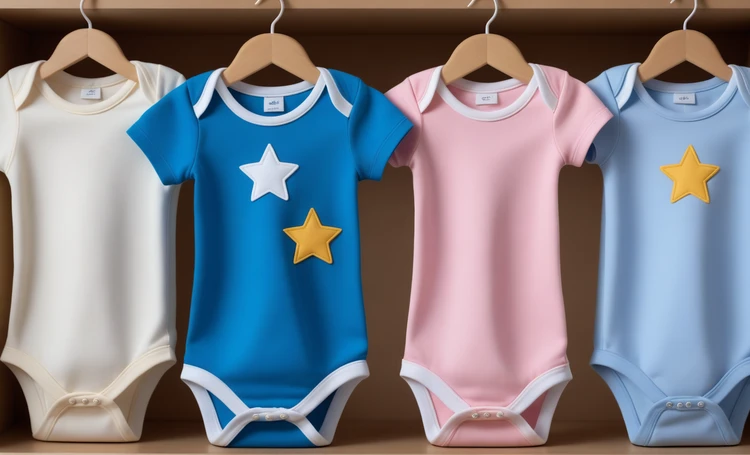
Choosing clothes for a newborn is not only a practical, but also an enjoyable task. By following the tips above, you can choose comfortable, stylish and safe clothes for your baby. Don't forget to also consider your personal preferences and style, because you will be the one dressing your child every day!