

☕ Removing coffee and tea stains: proven methods ☕
Each of us has spilled coffee or tea on our clothes at least once. These stains can be stubborn and difficult to remove, but don't despair! There are many proven methods that will help get rid of them. If you want to learn more about coffee stain removal methods, check out more coffee stain removal methods at this store.
🍵 Why do coffee and tea leave stains? 🍵
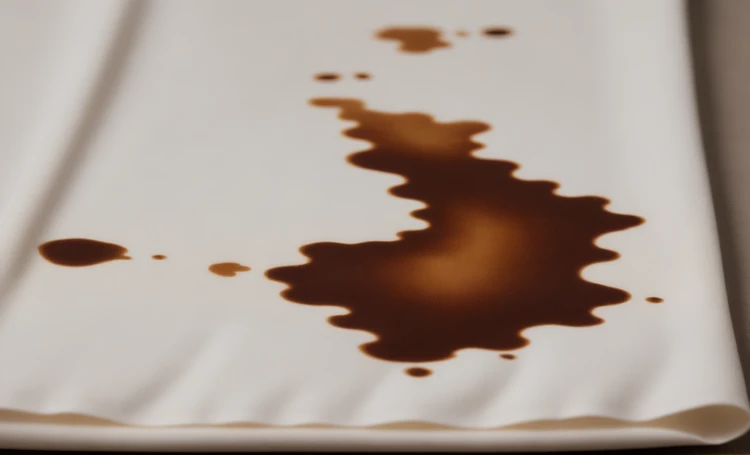
Coffee and tea contain tannins, organic compounds that give drinks their characteristic color. These molecules easily penetrate fabric and can leave long-lasting stains if not removed immediately.
🧼 General stain removal methods 🧼
- Fast action: The faster you start removing the stain, the greater the chance that it will disappear without a trace.
- Blot in cold water: Rinse the stain with cold water from the back of the fabric.
- Using salt: Sprinkle a thin layer of salt onto the fresh stain and let sit for a few minutes. Then rinse.
- Soap: Gentle soap can help remove the stain, especially if it is still fresh.
🌿 Natural stain removal methods 🌿
1 Vinegar
Vinegar is an excellent remedy for removing coffee and tea stains. Simply mix equal parts vinegar and water and rub the stain.
2 Soda
Mix a small amount of baking soda with water to make a paste. Apply to stain, leave for 15 minutes, then rinse.
3 Lemon
Lemon juice can help lighten tea or coffee stains. Simply squeeze some juice onto the stain, let it sit for a few minutes, then rinse.
💡 Tips for caring for clothes after removing stains 💡
- Gentle Wash: After treating the stain, wash the garment in cold water with a mild detergent.
- Avoid bleaches: They can damage the fabric and make the stain even more visible.
- Air dry: This will help avoid additional water stains and keep the colors of your clothes vibrant.
💡 Quote: “Stains are temporary, but memories are eternal.” – Unknown author
🧪 Chemical stain removers 🧪
If home methods do not help, you can turn to specialized remedies. There are many products on the market designed to remove coffee and tea stains. However, before using any product, it is recommended to test it on an inconspicuous area of fabric.
1 Stain removers
There are specialized stain removers that work effectively on coffee and tea stains. Just follow the instructions on the package.
2 Nail polish remover
This method is suitable for light-colored fabrics. Apply a little liquid to a cotton swab and gently wipe the stain.
3 Glycerin
Glycerin can help soften the stain before washing. Apply a little glycerin to the stain, leave for 30 minutes, then rinse.

🚫 What to avoid when removing stains 🚫
- Hot water: Hot water can “bake” the stain, making it even more durable.
- Rubbing too hard: This can damage the fabric and spread the stain.
- Using more than one product at the same time: Some chemicals can react with each other, causing side effects.
📚 Historical excursion: how did our ancestors fight stains? 📚
In ancient times, people also faced the problem of stains on clothes. They used natural ingredients such as lemon, salt and vinegar to get rid of them. In addition, in Ancient Egypt special powders from crushed plants were used for washing and removing stains.
💡 Quote: “Stains on clothes are traces of our adventures, but that doesn’t mean they have to stay there forever.” – Unknown author
🌿 Eco-friendly stain removal methods 🌿
In the modern world, more and more people are striving for an environmentally friendly lifestyle. And this applies not only to food or choice of transport, but also to caring for clothes. There are environmentally friendly ways to get rid of coffee and tea stains.
1 Vinegar and soda
Mix equal parts vinegar and baking soda to make a paste. Apply to stain, leave for 15 minutes, then rinse.
2 Salt
Salt can help remove fresh coffee stains. Simply sprinkle salt on the stain, let it sit for a few minutes, then rinse.
3 Corn starch
Cornstarch is effective against grease stains. Apply a little starch to the stain, leave for 30 minutes, then rinse.
💡 Useful tips for caring for clothes 💡
- Quick response: The faster you start removing the stain, the greater the chance that it will disappear without a trace.
- Check the label: Always look at the clothing label before applying any product.
- Test on an inconspicuous area: Before applying the product to the entire stain, test it on a small, inconspicuous area of fabric.
🌍 Impact on the environment 🌍
Many commercial stain removers contain chemicals that can be harmful to the environment. By choosing eco-friendly methods, you are not only taking care of your clothes, but also doing your part to save the planet. In addition, many natural ingredients are cheaper and always on hand.
💡 Quote: “Caring for the planet starts with small things, including taking care of your clothes.” – Unknown author
📚 Historical excursion: fighting stains in the past 📚
In ancient times, people also faced the problem of stains on clothes. I wonder what methods our ancestors used?
1 Ancient Egypt
The Egyptians used oil and salt to remove stains. They also used clay and starch to get rid of grease stains.
2 Ancient Rome
The Romans used urine as a bleach and stain remover. This method was popularized due to the ammonia found in urine.
3 Middle Ages
In the Middle Ages, people used ash and wine to combat stains. Various vegetable oils were also popular.

🛍️ Selection of stain removers in stores 🛍️
Today, there is a huge selection of stain removers on store shelves. However, not all of them are effective and safe. When choosing, you should pay attention to the following points:
- Ingredients: Avoid products with harsh chemicals.
- Environmental friendliness: Give preference to products with environmental labels.
- Reviews: Read reviews from other buyers before purchasing.
🧪 Dry cleaning: is it worth it? 🧪
Dry cleaning is the process of cleaning clothes using solvents instead of water. It can be effective for removing difficult stains, but it also has its drawbacks:
- Cost: Dry cleaning is usually more expensive than regular washing.
- Harmful to the environment: Some solvents used in dry cleaning can be harmful to the environment.
- Risk of Clothing Damage: Not all fabrics are suitable for dry cleaning.
🌿 Eco-friendly stain removal methods 🌿
In recent years, more and more people are paying attention to the environmental friendliness of the products and methods they use in everyday life. Stain removal is no exception. Let's look at a few proven and environmentally friendly methods:
1 Baking soda and vinegar
Mix equal parts of baking soda and vinegar to make a paste. Apply to the stain, leave for 30 minutes and then rinse thoroughly.
2 Salt
Salt is an excellent remedy for fresh coffee or tea stains. Simply sprinkle salt on the stain, let it sit for a few minutes, and then rinse.
3 Lemon juice
Lemon juice will help remove stubborn stains and leave your clothes smelling nice. Simply apply the juice to the stain, leave for 20 minutes and rinse.
💡 Tips to prevent stains 💡
Preventing stains is the best way to keep your clothes in pristine condition. Here are some tips to help you avoid stains:
- Be careful: When drinking coffee or tea, be careful. Use lids on glasses and cups.
- Wear an apron: If you cook or do crafts, wear an apron to protect your clothes.
- Treat stains immediately: The sooner you start removing a stain, the more likely it is to disappear without a trace.
“Prevention is better than cure.” – this famous saying is ideal when it comes to stains on clothes.
📊 Table of effectiveness of stain removal methods 📊
| Method | Efficiency | Environmental friendliness |
|---|---|---|
| Dry cleaning | High | Low |
| Soda and vinegar | Average | High |
| Salt | Average | High |
| Lemon juice | Average | High |
In conclusion, removing coffee and tea stains can be a challenge, but with the right techniques and products, you can keep your clothes in pristine condition. We hope that our tips will help you with this!