

🎨 Removing ink and paint stains: quick solutions
Each of us has at least once encountered the problem of ink or paint stains on clothes. This can happen at any time: while drawing, working, or even accidentally touching a pen. But don't panic! There are many proven methods that will help get rid of such stains. If you want to know more about this store's ink stain removal methods, read this post until the end.
🖌️ Understanding the type of stain
Before you begin removing a stain, it is important to understand its origin:
- Water-based ink: Commonly used in ballpoint pens and washes off easily with water.
- Oil-based ink: Used in fountain pens and require special solvents to remove.
- Acrylic paint: Water-based, but may require special remover if it is already dry.
🧽 Methods for removing stains
1 Salt and lemon
For fresh water-based ink stains:
- Sprinkle salt on the stain.
- Squeeze lemon juice onto the stain.
- Leave on for 5 minutes, then rinse with water.
2 Alcohol
For old or stubborn stains:
- Soak the stain in alcohol.
- Wait 10 minutes.
- Rinse thoroughly with water.
3 Glycerin
For oil ink stains:
- Apply glycerin to the stain.
- Leave for 15 minutes.
- Rinse with warm water.

🧴 Specialized products
There are many specialized products on the market for removing ink and paint stains. They are effective and safe for most fabrics. When choosing a product, pay attention to its composition and recommendations for use.
“Ink and paint stains are not a death sentence. With the right approach and tools, you can restore your clothes to their original condition.”
🌿 Natural stain removal methods
Milk
Yes, you read that right. Regular milk can help remove ink stains:
- Soak the stain in milk for several hours.
- After this, rinse as usual.
Vinegar
Vinegar is an excellent stain remover:
- Mix vinegar with cornstarch to make a paste.
- Apply to the stain and leave for 30 minutes.
- Rinse with water.
🛍️ Selecting stain-resistant clothing
If you frequently experience problems with ink or paint stains, consider purchasing clothing with special stain-resistant treatments. Such fabrics are treated with special compounds that do not allow stains to penetrate into the fibers.

📚 Historical excursion
Interestingly, the fight against ink and paint stains has been going on for several centuries. Ancient cultures used a variety of herbal and mineral remedies to remove stains. With the development of the chemical industry, more effective cleaning methods have emerged. Today we have access to a variety of tools to help combat this problem.
🚫 What not to do
- Do not use hot water. It can “bake” the stain, making it even more durable.
- Don't rub the stain. This may cause it to spread.
- Do not mix chemicals. This may cause a chemical reaction and damage the fabric.
🎨 Removing stains from different types of paint
Watercolor
Watercolor is easily washed off with water, but if the stain is already dry:
- Blot with a soft cloth soaked in warm water.
- Scrub the stain gradually, starting from the edges.
Oil paints
These paints require a special approach:
- First, remove excess paint from the fabric.
- Blot the stain with a solvent (such as turpentine).
- Rub the stain gently to avoid spreading it further.
- Wash in the washing machine with added detergent.
Gouache
Gouache stains are usually removed with water:
- Rinse the stain under cold running water.
- If the stain does not disappear, wipe it with soapy water.
🧪 Chemical stain removers
If home methods do not help, you can use specialized chemicals. However, before use, be sure to read the instructions and test the product on an inconspicuous area of the fabric.
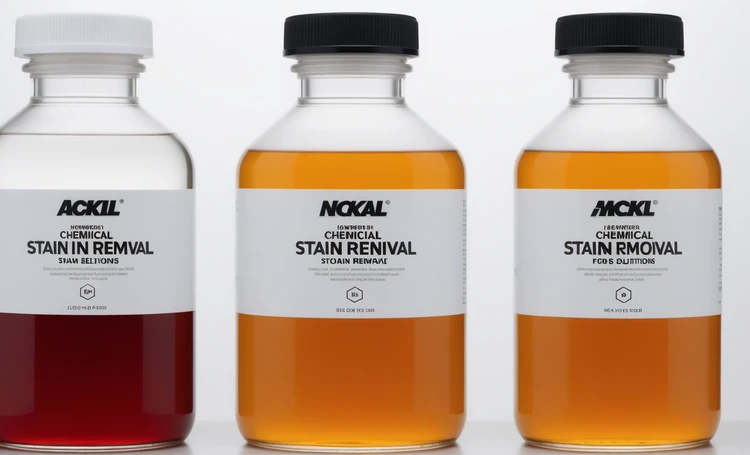
💡 Tip: When using chemicals, always wear rubber gloves and work in a well-ventilated area.
🌐 Useful resources
If you are faced with a particularly stubborn stain or an unusual type of paint, we recommend contacting specialized resources or clothing cleaning professionals. There are many forums and websites on the Internet where people share their experiences and tips for removing stains.
🔄 Conclusion
Removing ink and paint stains can be challenging, but with the right approach and tools, you can restore your clothes to their original condition. Don't despair if the first method doesn't work – perhaps the next one will be more effective. The main thing is to act quickly and not let the stain dry.