🎨 Removing stains from children’s pastels: quick solutions 🎨
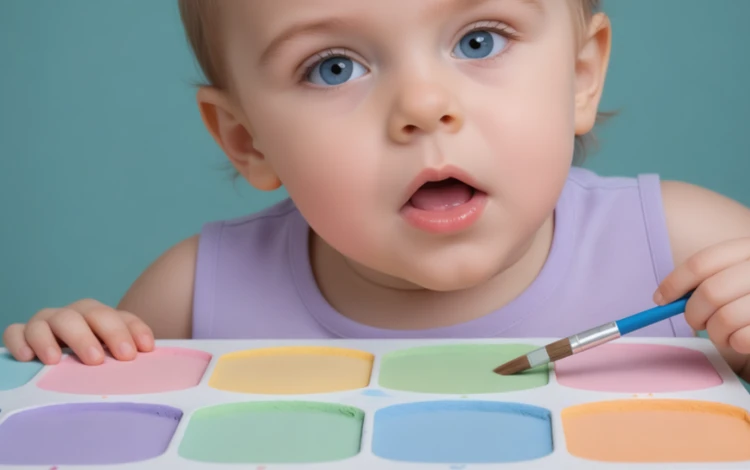
Every parent has encountered the fact that their child decided to become an artist not only on paper, but also on his clothes. Baby pastel stains can be a real challenge for moms and dads. But don't panic! There are many methods to get rid of these stains and learn more about pastel stain removal methods in this store.
🌸 Why is pastel so difficult to remove? 🌸
Children's pastels are usually made of oil or wax, which makes them soft and easy to apply to paper. However, this also means that it can leave greasy marks on the fabric. These stains can be especially resistant to washing, especially if the fabric has absorbed the color.
🌼 Methods for removing stains 🌼
1 Soap and water:
- Wet the stain with cold water.
- Apply liquid soap or washing powder to the stain.
- Rub the product into the stain thoroughly with your fingers or a soft brush.
- Leave on for 10-15 minutes, then rinse with cold water.
2 Alcohol:
- You can use thinner or rubbing alcohol.
- Apply a small amount to a cotton swab and gently wipe onto the stain.
- After treatment, you should wash the item immediately.
3 Specialized products:
There are many specialized products on the market for removing pastel stains. They usually contain solvents that break down the oil or wax in the pastel, making the stains less noticeable.
🌸 Stain prevention 🌸
To avoid stains, you should follow a few simple rules:
- Use an apron: When painting with pastels, it is recommended that your child wear an apron or old clothes.
- Draw in a specific place: Designate a place for your child to paint where the marks will be less noticeable.
- Teach your child: Explain to your child that pastels stain easily and teach him to handle the materials carefully.
“Children's creativity is wonderful, but sometimes it can leave marks not only on paper, but also on clothes. Be prepared for this and know how to act in such situations!” says the clothing care expert.
🌼 Selection of high-quality children's pastels 🌼
Choosing quality pastels can help reduce the likelihood of stains. When the pastel is of good quality, it is less prone to cracking and falling off.
How to choose a good pastel:
- Composition: Preference should be given to natural-based pastels. They are usually less greasy and easier to wash off.
- Packaging: Pastels should be packed in individual cells to avoid mixing of colors.
- Reviews: Read reviews from other customers. If many people complain that pastels leave stains, it is better to choose a different brand.
🌸 Washing tips 🌸
If a stain does appear, it is important to wash the clothing properly to avoid setting the stain.
- Do not use hot water: Hot water may set the stain. Always start with cold water.
- Check the label: Before using any products, check the label on the clothing. Some fabrics require special care.
- Do not dry in the sun: Sunlight can set the stain. It's better to dry in the shade.
🌼 Final recommendations 🌼
Children's creativity is joy and inspiration, but sometimes it can also bring small problems in the form of stains on clothes. By following simple guidelines and knowing how to properly remove stains, you can keep your clothes clean and tidy.
“Children are the flowers of life, and their creativity should bring joy, not problems. Be prepared for any surprises and know how to deal with them!” – says the clothing care specialist.
🌸 Professional stain removers 🌸
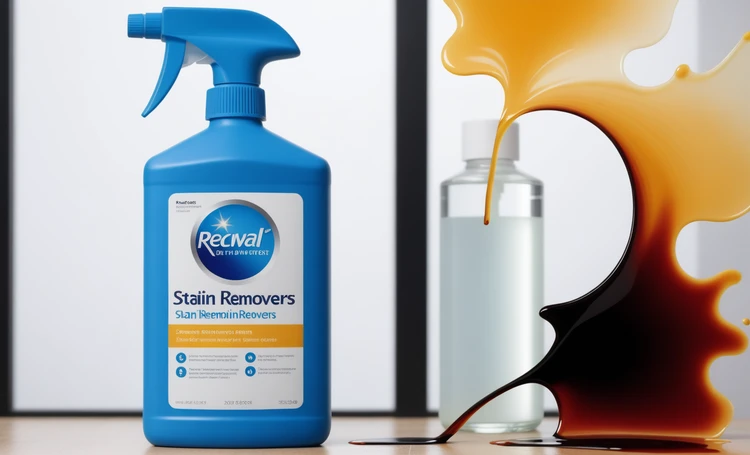
If home methods do not help, you can turn to professional remedies. Many are designed specifically to remove tough stains, including pastel stains.
- Specialized Stain Removers: There are many stain removers on the market designed for different types of stains. It is important to choose one that is suitable for your fabric type and stain type.
- Stain Remover Soap: Some soaps are formulated specifically for stains. They are gentle on fabric but effective against stains.
- Pre-treatment liquids: These products are applied to the stain before washing and help to “break down” the stain, making it less resistant to washing.
🌼 Prevent stains 🌼
Preventing stains is the best way to avoid stain removal problems. A few simple tips will help keep your clothes in perfect condition:
- Use aprons: If your child loves to draw with pastels, an apron can be a must-have accessory.
- Teach proper use of pastels: Teach children not to press the pastels too hard or to draw on clothes with them.
- Store pastels in closed boxes: This will prevent them from accidentally falling onto clothing or furniture.
🌸 Conclusion 🌸
Baby pastel stains can be a real challenge for parents, but knowing how to remove them correctly can make the task easier. Be careful to supervise your children while they're creating, and always have trusted stain removers on hand.
🌼 Additional tips for caring for clothes 🌼
In order for your clothes to serve you for a long time and maintain their original appearance, it is important not only to be able to remove stains, but also to properly care for things:
- Read labels: Clothing manufacturers provide recommendations for product care. By following them, you will extend the life of your clothes.
- Wash clothes at low temperatures: High temperatures may cause fabric to shrink or lose color.
- Use mild detergents: Aggressive detergents can damage fabrics and cause fading.
🌸 Why does pastel leave stains? 🌸
Pastel is a soft material that easily leaves marks on various surfaces. The main component of pastel is pigment, which gives it color. It is this pigment that leaves bright spots on clothes. In addition, many children like to draw with pastels with great diligence, which increases the intensity of the stain.
🌼 Conclusion 🌼
Children's pastels are a wonderful tool for developing a child's creative abilities. But, like any other drawing material, it can leave stains on clothes. By following our tips, you can quickly and effectively get rid of them and return your clothes to their original appearance.