
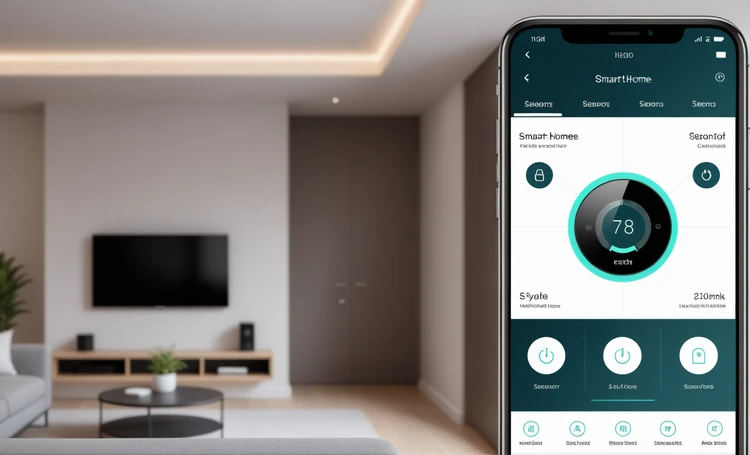
Sensors for a smart home: safety and comfort
🏠 Introduction to the world of smart home sensors
Smart home sensors play a key role in ensuring safety and comfort in modern homes. They are smart home equipment that can automatically respond to various situations and changes in the environment. Make your home safer with these sensors and give yourself peace of mind knowing your home is protected.
Why buy sensors for your home?
- Ensuring security: Motion and intrusion sensors help protect your home from unwanted guests.
- Home automation: They can control lighting, temperature and other systems in the home, providing comfort and energy savings.
- Environmental Conditions Monitoring: Sensors can monitor air quality, humidity and temperature to create ideal living conditions.
Types of smart home sensors
There are many types of sensors, each of which performs its own specific functions:
- Motion sensors
- Opening/closing sensors
- Air quality sensors
- Thermostats and hygrometers
These devices can work together, providing complete control over the condition of the house.
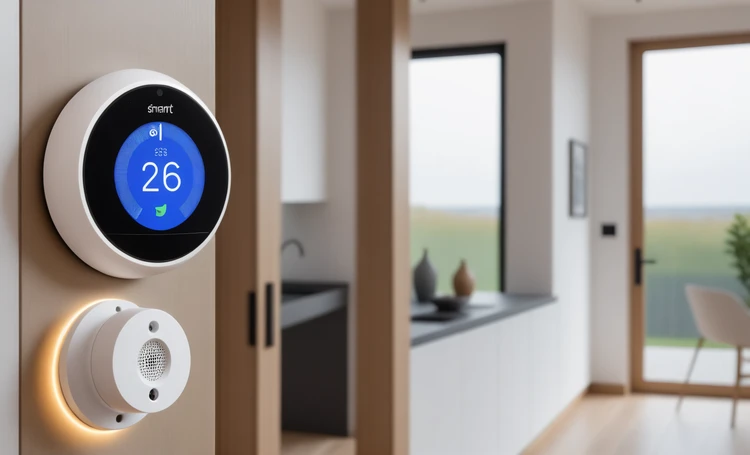
🤖 Technologies and functionality of smart home sensors
Modern smart home sensors are equipped with advanced technologies, which allows them to effectively perform their functions.
Key technological features:
- Wireless: Many sensors connect to a central smart home system via Wi-Fi or Bluetooth, providing ease of installation and flexible placement.
- Integration with other devices: The ability to sync with other smart home elements such as lighting, security systems and thermostats.
- Custom settings: Ability to customize sensor operation parameters according to individual preferences.
These technologies make sensors not just a useful addition to the home, but also an important part of everyday life, increasing safety and comfort.
🛒 How to choose the right sensors for your smart home
Choosing the right sensors for your smart home depends on many factors, including security, automation, and monitoring needs. Here are some tips to help you make an informed choice.
Criterias of choice:
- Smart Home Compatibility: Make sure the sensors are compatible with your current smart home system.
- Range and Accuracy: Select sensors with the required range and high responsiveness.
- Types of Sensors: Determine what types of sensors you need – be it motion, open/close or air quality sensors.
Where can I buy:
Smart home sensors are available in specialized electronics stores, online platforms and authorized dealers. It is important to choose reliable sellers to ensure the quality and authenticity of the products.

📡 Integration of sensors into a smart home system
One of the key benefits of smart home sensors is their ability to integrate with other system elements, creating a unified and efficient home control network.
Integration examples:
- With home automation: Sensors can automatically turn lights on and off or adjust temperatures based on occupancy detection.
- With Security Systems: Integration with alarm and video surveillance systems for enhanced monitoring and response to unusual events.
- With Mobile Apps: Allows the user to receive notifications and monitor the status of the home in real time through a smartphone.
This integration provides seamless and convenient control of home processes, increasing efficiency and comfort.
🌐 Global trends and future of smart home sensors
The smart home sensor market is constantly evolving, offering more and more advanced and integrated solutions. Understanding global trends will help anticipate future innovations in this area.
Main trends:
- Artificial Intelligence Enhancement: Implementing AI to more accurately analyze data and predict user needs.
- Improving interoperability: Developing standards to ensure better compatibility and interoperability between different devices and systems.
- Increasing energy efficiency: Creating sensors that consume less energy for sustainable and cost-effective use.
These trends indicate that smart home sensors will become increasingly integrated, intelligent and efficient, offering the user even more options to create a comfortable and safe home environment.
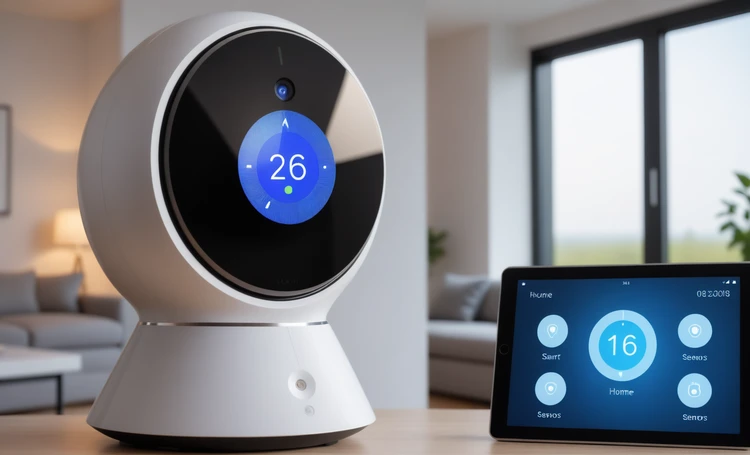
📊 Market analysis: popular sensors and their functions
The variety of smart home sensors on the market offer users a wide variety of choices, each with unique features and benefits. The table below presents some of the most popular sensors with their main characteristics.
| Sensor name | Sensor type | Main functions |
|---|---|---|
| SmartSense Motion | Motion Sensor | Motion detection, lighting integration |
| EcoLink Door Sensor | Opening/closing sensor | Monitoring the status of doors and windows |
| Nest Protect | Air quality sensor | Smoke and carbon monoxide detection, alert |
| Honeywell Home T9 | Thermostat | Temperature control, integration with HVAC systems |
This information will help potential buyers navigate the selection of suitable sensors for their needs.
🛠️ Installation and maintenance of smart home sensors
Proper installation and regular maintenance of smart home sensors are key to ensuring they operate efficiently and reliably. Here are some tips to help you get the most out of these devices.
Installation Tips:
- Proper Placement: Place sensors in strategic locations for optimal coverage and functionality.
- Wireless Connection: Make sure the sensors are properly connected to your wireless network and central smart home system.
- System Testing: After installation, perform testing to ensure all components are working properly.
Service and support:
- Regular software updates: Keep your sensors up to date to improve their performance and safety.
- Checking Batteries: Check and replace batteries in wireless sensors regularly.
- Cleaning and Maintenance: Keep sensors clean and in good condition to avoid false alarms.
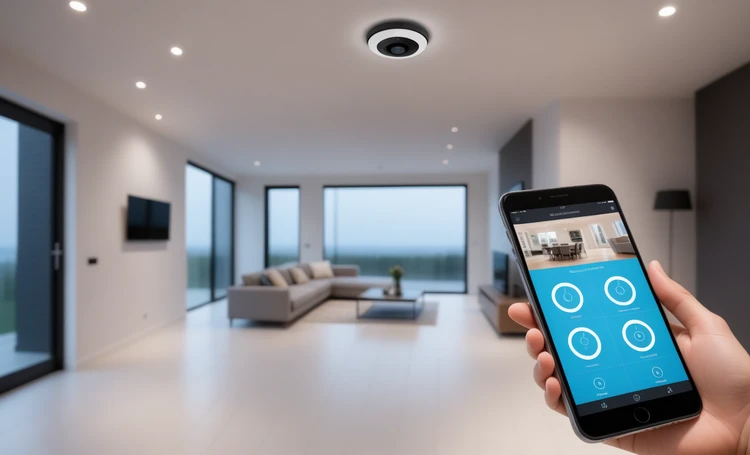
📝 Conclusion: Benefits of Investing in Smart Home Sensors
Smart home sensors are a valuable investment in the safety and comfort of your home. They not only provide an additional layer of security, but also help automate home processes, save energy and create a comfortable home environment.
Conclusions:
- Improved Security: Having sensors increases the level of security in your home, providing protection from external and internal threats.
- Automation and Convenience: Sensors help automate many processes in your home, making your life more convenient and worry-free.
- Energy efficiency: The use of sensors helps optimize energy consumption, which has a positive effect on the environment and reduces electricity bills.
By investing in smart home sensors, you not only increase your comfort level, but also make your home more modern and technologically advanced.