
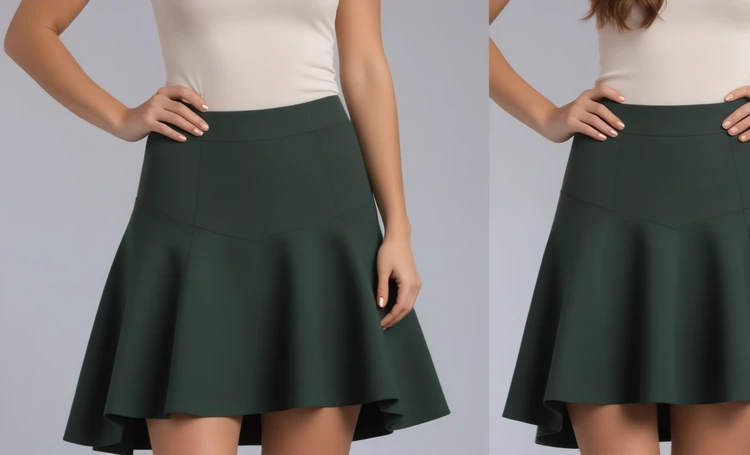
Wool skirts are a true classic that add sophistication to your look. But even such an expensive item can suffer from accidentally spilled oil. Luckily, there are proven ways to get rid of oil stains on wool skirts. To learn more about this store's methods for removing stains from wool skirts, read on.
🧽 Stain removers
The choice of product depends on the degree of contamination and size of the stain. But there are some of the most popular and effective remedies:
- Baking Soda: Great for absorbing oil and suitable for fresh stains.
- Soap: Bar soap, especially baby soap, can help break down greasy oil particles.
- Specialized products: There are professional stain removers designed specifically for wool products.
🧼 Methods for cleaning wool skirts from oil stains
💡 Fresh spots
- Sprinkle baking soda over the stain and let sit for 15-20 minutes. The baking soda will help absorb the oil.
- Gently discard the baking soda and gently scrub the area with a soft brush or cloth.
- Wash the stain with cold water and soap.
💡 Old stains
- Apply a small amount of a specialized stain remover to the stained area.
- Wait 5-10 minutes.
- Rinse the stain with cold water.
📝 Tip: Before using any product, be sure to test it on an inconspicuous area of the fabric to ensure that the product is safe for your skirt.
📊 Table of stain removers and their effectiveness
| Means | Cost (in dollars) | Efficiency |
|---|---|---|
| Baking soda | $1 – $3 | ⭐⭐⭐ |
| Baby soap | $3 – $5 | ⭐⭐⭐⭐ |
| Specialized product | $10 – $30 | ⭐⭐⭐⭐⭐ |
🛍 The right choice of funds
When it comes to removing stains from wool skirts, choosing the right product is essential. Inappropriate or harsh products may damage the fabric or leave marks that are even more visible than the original stain.
🌱 Natural remedies
Many people prefer to use natural products, as they are environmentally friendly and usually less aggressive to fabrics:
- Vinegar: Diluted vinegar can be useful for removing oil stains, but should be used carefully.
- Cornstarch: Can also be used to absorb oil from fabric.
🧪 Chemicals
Chemical stain removers usually work faster and more effectively, but they can be harsh:
- Oxy-based products: These products lighten stains and remove them, but may discolor the fabric.
- Solvents: Can break down oil molecules, but be careful when using them on wool.
📝 Tip: Always read the instructions for use and monitor the exposure time of the product on the fabric.
🌟 Summary: How to keep your wool skirts stain-free
- Respond quickly: The sooner you start removing the stain, the better your chances of getting rid of it completely.
- Choose the right product: Not all products are suitable for wool. Check ingredients and instructions.
- Testing: Before using a new product, always test on an inconspicuous area of the skirt.
- Don't rub the stain: Rubbing can only make the situation worse.
🧪 Experiments for the benefit of cleanliness
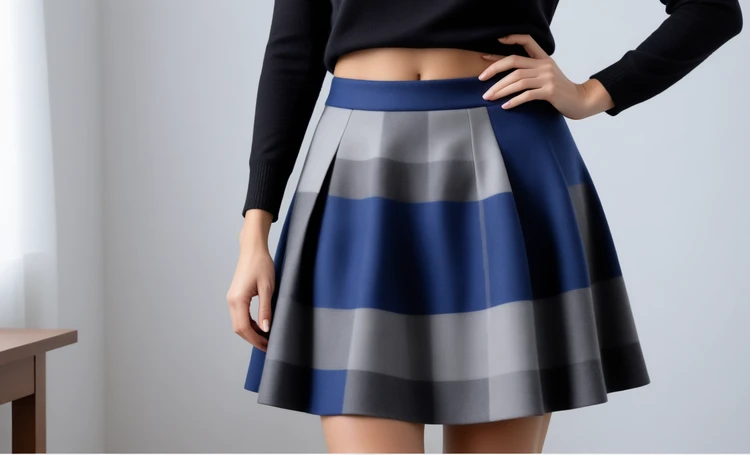
You may notice that there are many methods and products available for removing oil stains from wool skirts. However, the best way to determine which one really works is to do a little experiment at home.
- Compare products: Apply different products to the same stain, dividing it into sections to determine which product works best.
- Use different methods: Try both natural and chemical remedies to find out which one really gives the best results.
By conducting these experiments, you can determine the best method for removing stains from wool skirts for yourself.
🧺 Professional washing: is it worth it?
If all the methods you've tried haven't worked, or you just don't want to take any chances with your favorite skirt, turning to a professional might be a good idea. Professional cleaning often uses special reagents and equipment that are not available to ordinary consumers. But such a service can cost money. The average cost of cleaning a skirt in the United States ranges from $8 to $15.
🎓 Education is the key to success
If you'd like to dive deeper into the world of clothing cleaning and learn more about stain removal techniques, consider taking a course or training. Many institutes offer courses in clothing and textile care.
📖 Historical background: stain removal in the past
Removing stains from clothes is not a new problem. People faced this question when they first started wearing clothes. In ancient times, when there were no modern detergents, people used natural reagents. For example:
- Ash: Ash, especially wood ash, was used for cleaning and removing grease stains.
- Clay: Clay is highly absorbent and could help get rid of oil stains.
- Citrus fruits: The acid in citrus fruits helped break down fat, making it less sticky.
With the development of the chemical industry in the 19th and 20th centuries, new stain removers emerged that became more effective and affordable.
“The best way to avoid stains is to know how to deal with them.” — Anonymous Sage
🧐 Final tips
- Always Test: Before applying any stain remover to the entire skirt, try it on an inconspicuous area of the fabric first.
- The sooner the better: The sooner you take action, the better your chances of getting rid of the stain.
- Follow Instructions: If you are using commercial stain removers, always follow the manufacturer's instructions.
🔗 Useful resources
With the hope that your skirt will look like new again, we wish you only impeccable cleanliness in your wardrobe!