🏃♂️ Sports shoes: how to choose the right model 🏃♀️
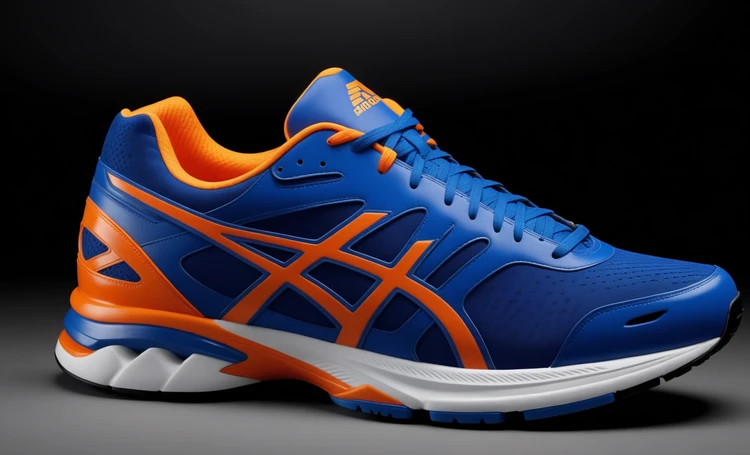
Sports shoes play a key role in the comfort and effectiveness of your workout. The right pair can improve performance and prevent injury. If you're looking for the perfect shoes for your activities, check out more athletic shoes at this store.
🏃♂️ Why is the right choice important? 🏃♂️
Choosing shoes for sports is not just a matter of fashion or style. It's a matter of health, safety and getting the most out of your training.
- Foot support. High-quality sports shoes provide proper support for the foot, distributing the load evenly.
- Preventing injuries. Proper cushioning and support reduces the risk of injury during intense activities.
- Comfort. Your feet should not be hot and they should not sweat during the workout.
🏃♀️ How to choose shoes for different sports? 🏃♀️
Not all athletic shoes are created equal. Different sports require different shoes.
🏀 Basketball 🏀
For basketball, high ankle support and good shock absorption are important. Shoes must be stable and provide good grip on the surface of the court.
🏋️♂️ Gym 🏋️♂️
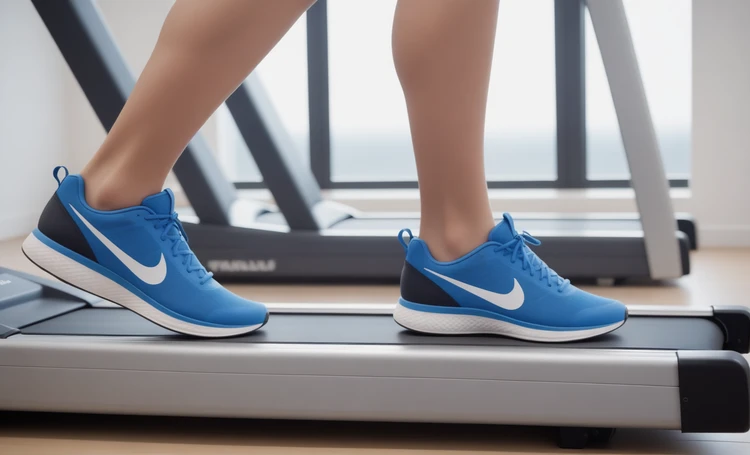
Comfort and cushioning are key here. Shoes should “breathe” and provide stability during exercise.
🚴♂️ Cycling 🚴♂️
Cycling shoes must provide rigid soles for effective transmission of force to the pedals and have special fastenings.
The right sports shoes are an investment in your health and training results.” – Anonymous coach
🏊♂️ Swimming 🏊♂️
Specialized slippers are important for swimming, which prevent slipping on wet surfaces and protect feet from fungus in public pools.
🎾 Tennis 🎾
Tennis shoes should provide excellent traction on the court, fast and easy movement, and support for quick starts and stops.
🏃♂️ Running 🏃♂️
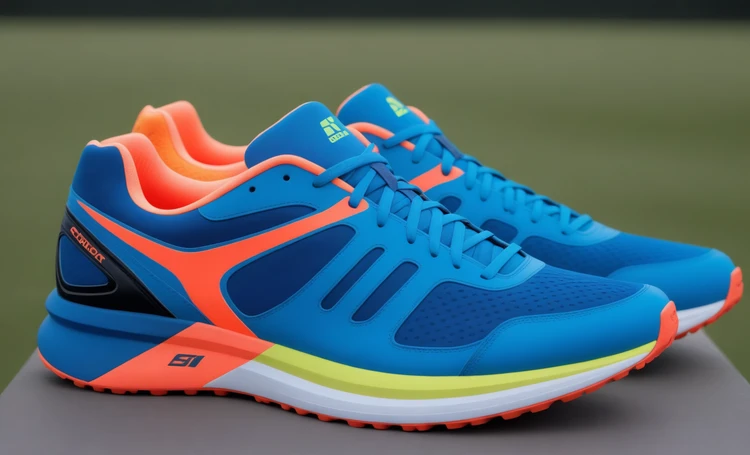
For running, shoes with good cushioning, support and lightness are important. It should fit perfectly to prevent calluses and chafing.
📊 Comparative table by sport 📊
| Kind of sport | Main characteristics of shoes |
|---|---|
| Basketball | High support, grip |
| Gym | Comfort, shock absorption |
| Cycling | Hard sole, fastenings |
| Swimming | Protection, anti-slip sole |
| Tennis | Grip, lightness |
| Run | Shock absorption, lightness |
🛍️ Buying tips 🛍️
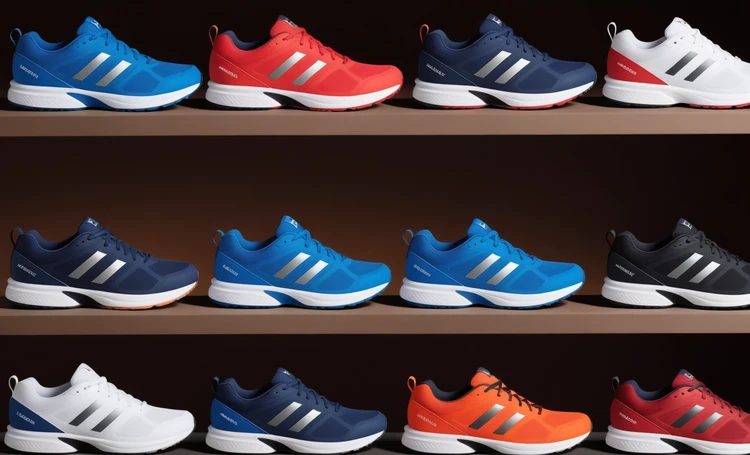
- Try on shoes at the end of the day. Your feet may swell a little during the day, so this is the best time to try them on.
- Use athletic socks that you plan to wear with your shoes.
- Walk around the store wearing shoes. This will help you understand how convenient it is.
- Pay attention to the material. For some sports, breathable material such as mesh is better.
“The best shoes are the ones that you can't even feel your feet in after a workout.” – Professional sportsman
🌦️ Weather conditions 🌦️
When choosing sports shoes, it is important to consider weather conditions. If you run outdoors, you may need waterproof running shoes for rainy weather or extra insulation for colder months.
🔄 Shoe service life 🔄
Like any other item of clothing, athletic shoes will wear out over time. Professional athletes recommend changing running shoes every 500-700 km. However, for regular fitness enthusiasts, this number may be higher.
📏 Correct size 📏
Choosing the right size is critical. Shoes that are too small can cause blisters, while shoes that are too big can cause loss of traction and stability. Try on several different sizes to find the best fit.
🧐 Reviews and recommendations 🧐
Before purchasing, you should study reviews from other buyers and recommendations from professionals. This can help you avoid buying low-quality or uncomfortable shoes.
📜 Conclusion 📜
Choosing the right sports shoes is an investment in your health, comfort and training results. Don’t skimp on quality, take into account the characteristics of your body and the sports you play. Remember that the right shoes can make your workout more effective and safe.