🧣 Tips for ironing silk scarves: avoid mistakes
Silk scarves are a symbol of sophistication and elegance. However, when it comes to ironing, many people face difficulties. If you want to maintain the shine and softness of your favorite accessory, learn more about how to properly iron silk scarves in this store.
👌 Why is ironing silk scarves especially important?
Silk is a soft and delicate material. If improperly cared for, especially when ironing, the fibers can easily be damaged. But with the right techniques and secrets to ironing silk scarves, your scarf will look like new for years to come.
- Well-groomed appearance: Proper ironing preserves the brightness of the colors and patterns on the scarf.
- Extending the life of your scarf: By avoiding ironing damage, you will extend the life of your scarf.
- Easy to Wear: Smooth and soft silk is a pleasure to wear around the neck or as an accessory.
🛑 Common mistakes when ironing silk scarves
🥵 Temperature too high
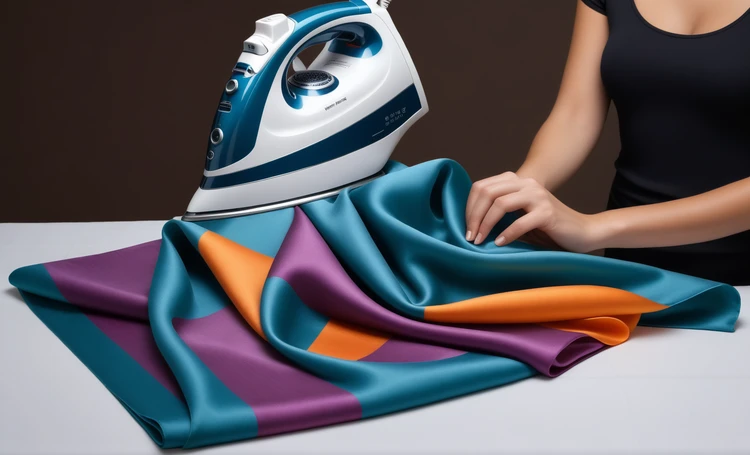
Most irons have settings for different types of fabric. For silk, choose the lowest temperature possible. High temperatures can cause the fibers to burn or even stretch.
💧 Excess water
Although many people recommend using steam when ironing silk scarves, it is important not to overdo it. Excess steam or water may stain the silk.
🔄 Iron in one direction
Silk scarves should be ironed in one direction to avoid stretching the fabric.
🧐 Proven ironing methods
🌫 Steam ironing
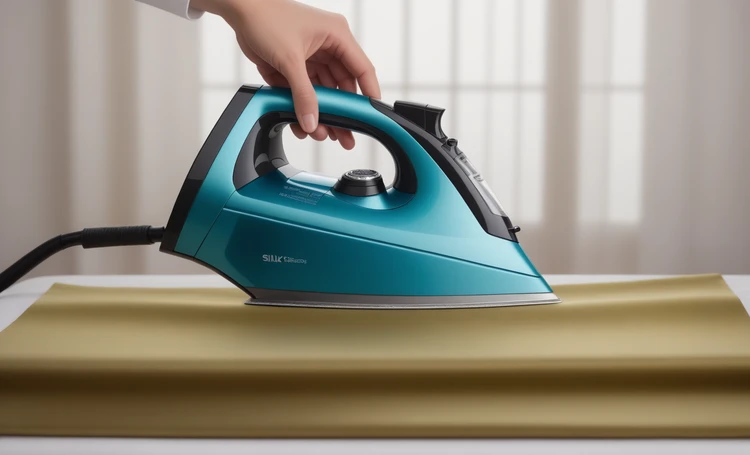
- Fill the iron with water and turn on the steam function.
- Set the iron to the lowest temperature.
- Keep the iron away from the scarf and direct the steam onto the fabric.
🍶 Wet ironing
- Lightly dampen the scarf before ironing.
- Use the iron without steam at the lowest temperature.
- Iron gently and without pressure.
🛁 Ironing after washing
After washing, it is best to iron the scarf while it is still slightly damp. This will help remove many wrinkles without additional exposure.
📚 A little history of silk care
Silk was used in ancient civilizations such as China, India and Egypt and has always been a valuable material. Ancient China developed special silk care methods to preserve its beauty and durability. The secrets of ironing silk scarves were part of this care.
Quote of the day: “Silk is not just a fabric. It's history, culture and heritage.”
📋 Tips chart for ironing silk scarves
| Advice | Explanation |
|---|---|
| Low temperature | Silk is easily damaged at high temperatures |
| Use steam with caution | Avoid excess moisture on silk |
| Iron in one direction | Prevent fabric from stretching |
| Use a thin cloth over | Protect silk from direct contact with iron |
🚫 Common mistakes when ironing silk scarves
It's always worth remembering how delicate silk fabric is. Here are some common mistakes to avoid:
1 🌡 High temperature
By using an iron that is too hot, you risk damaging the silk fibers. Always start with the lowest temperature and increase as needed.
2 🌊 Excessive hydration
Excess water can cause stains on the fabric or even warp it. If you use the wet ironing method, make sure that the scarf is only slightly damp.
3 🔄 Ironing in different directions
Silk is a fabric that stretches easily. Iron in one direction only to prevent distortion.
🛍 Caring for silk scarves: preserve their beauty
If you want your silk scarf to serve you for many years and still look like new, you should pay special attention to its care:
🛋 Storage
- Store scarves in a dark, cool place.
- Use bags made of natural fabric to protect against dust.
🌀 Washing
- Wash by hand using a mild detergent for delicate fabrics.
- Do not twist the scarf, but gently squeeze out the water by wrapping it in a towel.
🌬 Drying
- Do not dry in direct sun or near heat sources.
- Spread the scarf on a horizontal surface.
Also, avoid contact with chemicals such as perfumes or lotions, which may stain the scarf.
💌 Conclusion
Ironing and caring for silk scarves may seem like a daunting task, but by following these simple tips you can keep your accessory in perfect condition. The secrets of ironing silk scarves are not only techniques, but also love for the fabric, understanding of its uniqueness and the desire to preserve the beauty of this exquisite accessory.